
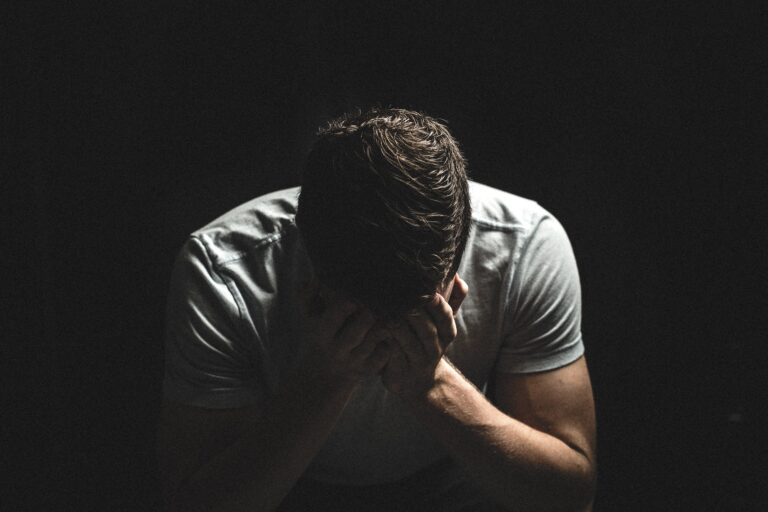
Quick answer: Isolation after military service happens because veterans lose the built-in structure, brotherhood, and shared purpose that defined their time in uniform. Breaking it starts with small, intentional steps—reconnecting with other veterans, building new routines, and reaching out for support before things get heavy.
You traded a world of constant connection for one where you can go days without really talking to anyone. The barracks chatter, the team that always had your back, the missions that gave every day a point—all of it gone, almost overnight. And now the quiet feels louder than it should.
If you’ve felt yourself pulling away since leaving the service, you’re not broken and you’re not alone. Isolation is one of the most common struggles veterans face after the uniform comes off—and one of the least talked about. The good news? It’s not permanent. Once you understand why it happens, you can start chipping away at it.
This post breaks down the real reasons isolation creeps in after service, and gives you practical, no-nonsense ways to push back against it.
Why Do So Many Veterans Feel Isolated After Leaving the Military?
The military doesn’t just give you a job. It gives you a built-in life. You know who you can count on. You know what the day looks like. You know your place in something bigger than yourself. When that disappears, the gap it leaves behind is enormous—and most people around you don’t see it.
Here’s what’s actually behind that feeling.
You Lost the Brotherhood (And Civilians Don’t Get It)
In the service, the people next to you understood you without explanation. You ate together, trained together, and trusted each other with your lives. That kind of bond is rare, and it’s hard to recreate at a desk job or a backyard barbecue.
Civilians often mean well, but they don’t share the same language or experiences. You might find yourself biting your tongue, skipping stories, or feeling like an outsider at gatherings you used to enjoy. Over time, it gets easier to just stay home. That’s how isolation starts—quietly.
The Structure Disappeared Overnight
The military runs on routine. Wake up, train, work the mission, repeat. Every hour had a purpose. Civilian life hands you a blank calendar and expects you to fill it.
Without that structure, days blur together. Motivation dips. You might sleep more, accomplish less, and feel guilty about both. Idle time gives isolation room to grow, and the longer it goes on, the heavier it feels.
Your Sense of Purpose Took a Hit
Serving meant something. Whether you were deployed overseas or supporting the mission from home, your work mattered. Civilian jobs don’t always carry that same weight—and that loss of purpose can make you feel disconnected from everyone around you.
When you don’t feel like you’re contributing to something meaningful, it’s easy to question your place. That self-doubt often turns into withdrawal.
Mental Health Struggles Make It Worse
Anxiety, depression, PTSD, and the lingering effects of combat can all push you toward isolation. When you’re hurting, reaching out feels exhausting. So you don’t. And the silence makes the hurt grow.
According to the U.S. Department of Veterans Affairs, social isolation is a known risk factor for depression and suicide among veterans. That’s not meant to scare you—it’s meant to show you that this matters, and that getting connected is part of getting better.
How Do You Break the Cycle of Isolation After Service?
Isolation feeds on inaction. The way out is movement—small, steady steps that get you reconnected. You don’t have to fix everything at once. You just have to start.
Reconnect With People Who Get It
The fastest way to feel less alone is to spend time with people who’ve walked the same road. Other veterans understand the jokes, the struggles, and the silences you don’t have to explain.
Look for veteran groups in your area, join online communities, or reach out to someone you served with. A single phone call to an old battle buddy can do more than weeks of scrolling alone. Organizations like Helping The Brave exist for exactly this reason—to remind you that you’re not just a number.
Build a New Routine on Purpose
You thrived on structure once, and you can again. Start small. Set a wake-up time. Plan one task a day. Add in exercise, a hobby, or a regular meetup.
The goal isn’t to recreate boot camp. It’s to give your days shape and momentum. When you have somewhere to be and something to do, isolation has less room to take hold.
Find a New Mission
Purpose doesn’t end when service does. Plenty of veterans find new meaning in mentoring younger vets, volunteering, coaching, starting a business, or going back to school.
Ask yourself what you care about, then take one step toward it. Helping others is one of the most reliable ways to pull yourself out of your own head—and back into the world.
Get Help Without the Shame
Reaching out for support isn’t weakness. It’s strategy. You wouldn’t head into a mission without backup, so don’t try to navigate this alone either.
Talk to a counselor, lean on a mentor, or connect with a peer support program. If you’re struggling with VA benefits or just don’t know where to start, getting hands-on guidance can lift a weight you didn’t realize you were carrying. The simple act of asking for help often breaks the isolation by itself.
Take Care of the Basics
Sleep, movement, and food sound obvious—but they’re the foundation. When your body is running on empty, your mind follows. A short daily walk, a few solid hours of sleep, and regular meals can shift your whole outlook more than you’d expect.
You Don’t Have to Walk This Alone
Isolation after service is common, but it doesn’t have to be your story. It starts quietly and grows in the silence—which means breaking it starts with one small act of connection. One call. One meetup. One step toward a new mission.
You showed up for your country with strength. Now it’s time to show up for yourself, and let others show up for you.
At Helping The Brave, we’ve lived the transition and fought the system. We’re here to make sure no veteran walks through it alone—through real conversations, hands-on VA benefits help, and a community that has your back.
Ready to take the first step? Book your free discovery call. We’ll listen, we’ll help, and we’ll move forward together.
Frequently Asked Questions
Why do veterans feel so isolated after leaving the military?
Veterans feel isolated because service provides built-in community, daily structure, and a strong sense of purpose. When those disappear, many veterans struggle to recreate that connection in civilian life, especially when civilians don’t share the same experiences.
Is isolation after the military a sign of a bigger mental health problem?
Not always, but it can be linked to one. Isolation is a known risk factor for depression, anxiety, and PTSD among veterans. If withdrawal lasts for weeks, affects your daily life, or comes with hopelessness, it’s worth talking to a counselor or peer support program.
What’s the fastest way to feel less alone after service?
Reconnecting with other veterans is usually the quickest path. People who’ve served understand your experiences without explanation. A single call to someone you served with, or joining a veteran group, can make an immediate difference.
Where can veterans find support for isolation and transition?
Veteran-focused organizations like Helping The Brave offer community, mentorship, and hands-on help with VA benefits and the transition to civilian life. Peer support groups, counselors, and local veteran organizations are also strong starting points.